The Kindness Quotient
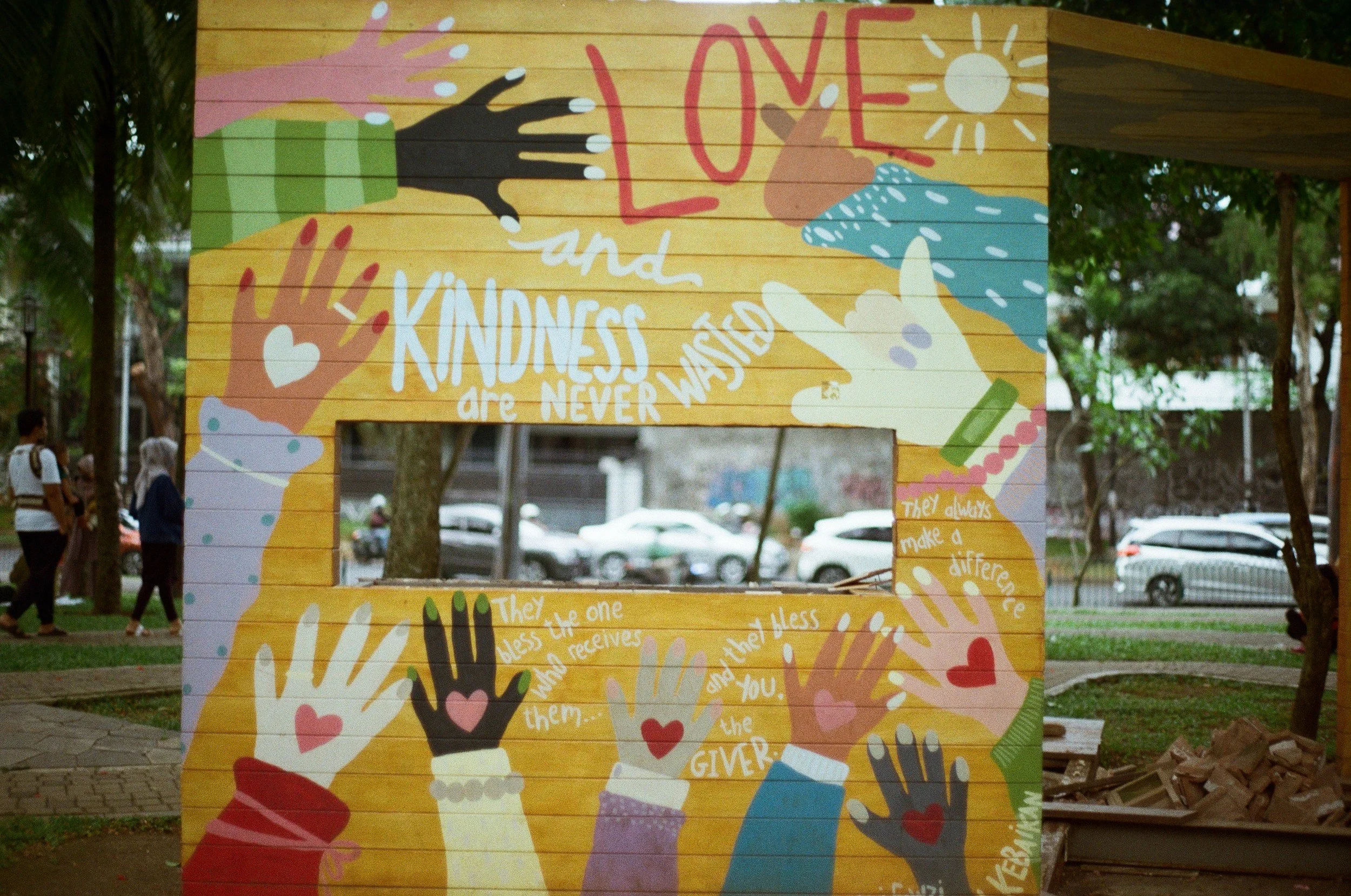
How small gestures create big culture shifts
Some people think kindness is a personality trait.
At Little Birdie Consulting, we see it as a mindset.
Because in every thriving team, in every beloved brand, and in every truly magnetic leader — kindness isn’t an afterthought. It’s the quiet, steady pulse that holds everything together.
The Underrated Power of Small Gestures
Think about the best moments of your career.
Chances are, they weren’t about raises, perks, or promotions — they were about people.
A leader who noticed your effort. A teammate who stayed late to help. A note that arrived at just the right time.
Those are what we call micro-kindnesses — tiny gestures that create outsized impact. They shape trust faster than any team-building retreat ever could.
They’re also contagious. When someone feels seen, they’re more likely to pass it on. That’s how culture shifts — not through slogans or mandates, but through moments of grace repeated often enough to become habit.
The Kindness Quotient
We talk about IQ and EQ — intelligence and emotional intelligence — but what about KQ?
Kindness Quotient is the measure of how consistently we show warmth, empathy, and humor in the way we lead, serve, and collaborate.
And here’s the twist: kindness isn’t soft. It’s strong.
It defuses tension. It invites creativity. It builds psychological safety faster than any corporate policy ever could.
When you say thank you, when you laugh together, when you take a breath before responding — those are acts of strength. They tell the room: You can trust me. You’re safe here.
Recognition, Gratitude & Tone
Three things that make or break culture — and yet, they cost nothing.
Recognition says, I see you.
Gratitude says, I value you.
Tone says, You can relax with me.
They’re simple, but they’re what turn workplaces into communities.
From Random Acts to Rituals
Sustained kindness doesn’t happen by accident. It happens through rhythm.
Some teams build “gratitude minutes” into their meetings. Others keep a kindness board — quick shoutouts and handwritten thank-yous pinned for all to see. Some leaders make it a point to send one note of appreciation every Friday.
These are the small rituals that keep teams grounded in grace — and they’re surprisingly measurable. Turnover drops. Engagement rises. Clients feel it, too.
The Nicest Teams Often Win
In a world obsessed with speed and efficiency, kindness can feel optional. But in reality, it’s a competitive advantage — one that builds loyalty, sparks innovation, and keeps people coming back for more.
Kindness is magnetic. It draws talent, trust, and opportunity toward you.
So maybe the question isn’t whether kindness belongs in business.
Maybe it’s whether business can thrive without it.
